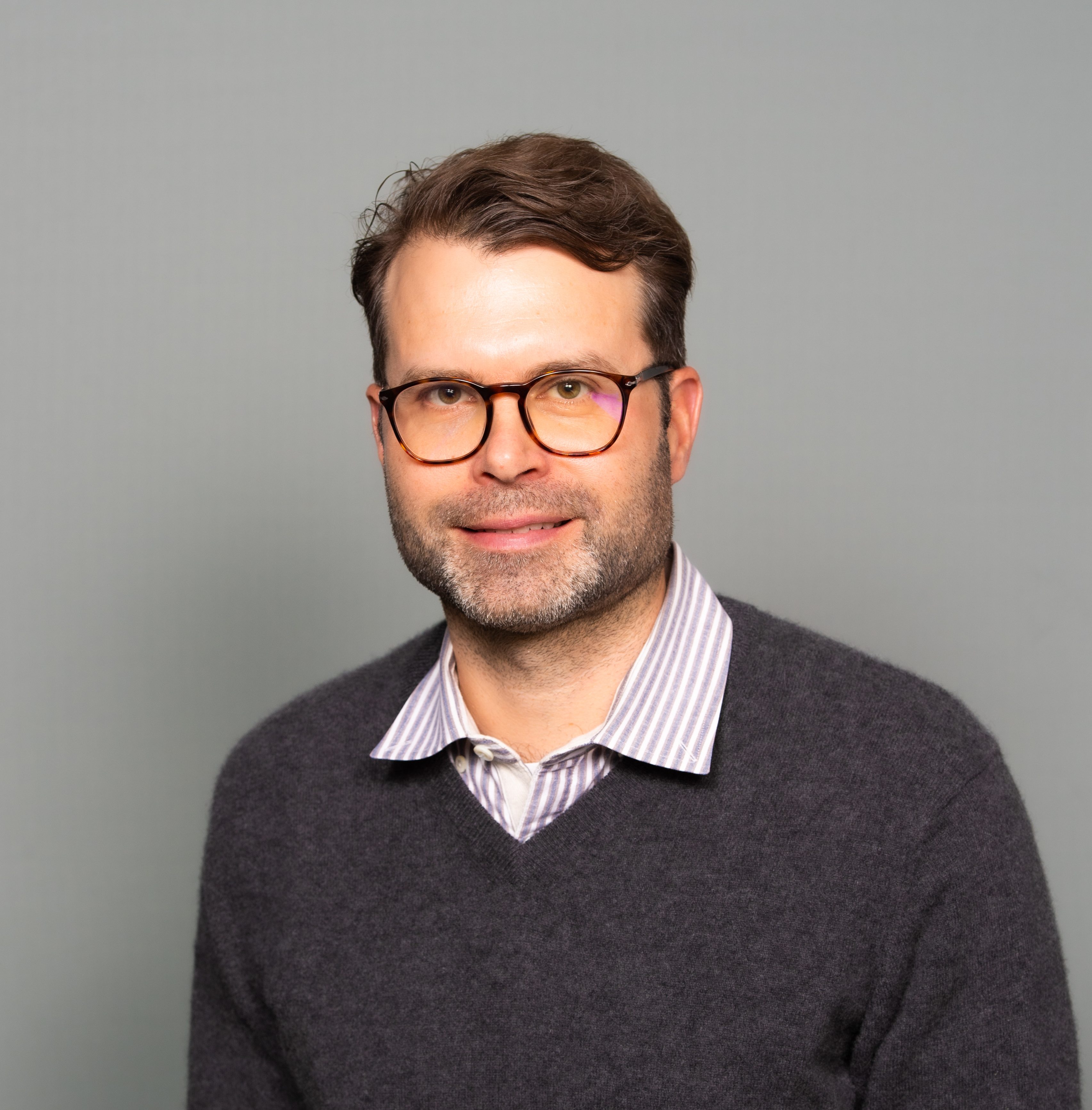
Hello! I’m John, a Research Associate at the West Virginia University Health Affairs Institute. I provide research support in areas like public health, health economics, and Medicaid services.
Right now, I help analyze and present results from West Virginia’s largest health survey, the Mountain State Assessment of Trends in Community Health (MATCH). You can check out some of the findings in the 2023-24 Findings Report. I also work with the West Virginia Department of Human Services to support communications across agencies and data sharing to improve evaluation of Substance Use Disorder treatments.
Reducing health inequalities is at the center of most of my research. At Health Affairs, I worked on projects looking at why Medicaid beneficiaries had not used dental benefits and helped the state assess the number and situations of people experiencing homelessness in West Virginia. On another project, I created a state-level model to assess the impact and cost-effectiveness of the rotavirus vaccine rollout in Nigeria, and then presented this research at the 14th Annual African Rotavirus Symposium in Abuja.
Before joining the Health Affairs Institute, I was the COVID-19 Public Analyst for Pitkin County Public Health in Colorado. I managed data and provided updates on COVID-19 to the community through dashboards. I supported research on prevention measures and answered questions from local media, community members, and government officials.
I have worked with Bagamian Scientific Consulting on using large health economic models to help make policy decisions about existing and new vaccines. This research helped major efforts supported by organizations including the Gates Foundation, Gavi, and PATH. I led research to find areas that need better access to water, sanitation, and hygiene (WASH) in low and middle-income countries. This work supported multi-country efforts by the World Bank Group and their country partners.
In Kisumu, Kenya, I worked with local communities and a big international team to study how enteric pathogens spread between households due to WASH conditions in informal settlements. Our fantastic team included collaborators from University of Florida, faculty and students from Great Lakes University of Kisumu, lab experts from the International Centre for Diarrhoeal Disease Research, Bangladesh, and colleagues at the London School of Hygiene and Tropical Medicine.
Thank you for visiting! If you want to connect, please use this contact form.


